Healing in Action
Medical Missionary Trips
Provide free medical services to indigent individuals and families requiring medical treatment. Attend to the needs of the poor and the ailing. Relieve and comfort the suffering, feed the hungry, provide drink to the thirsty, and cloth the naked. Instruct and educate the ignorant and counsel the inexperienced.
Medical Directors: V.M. Villalobos, M.D., D.B. Laws, M.D.
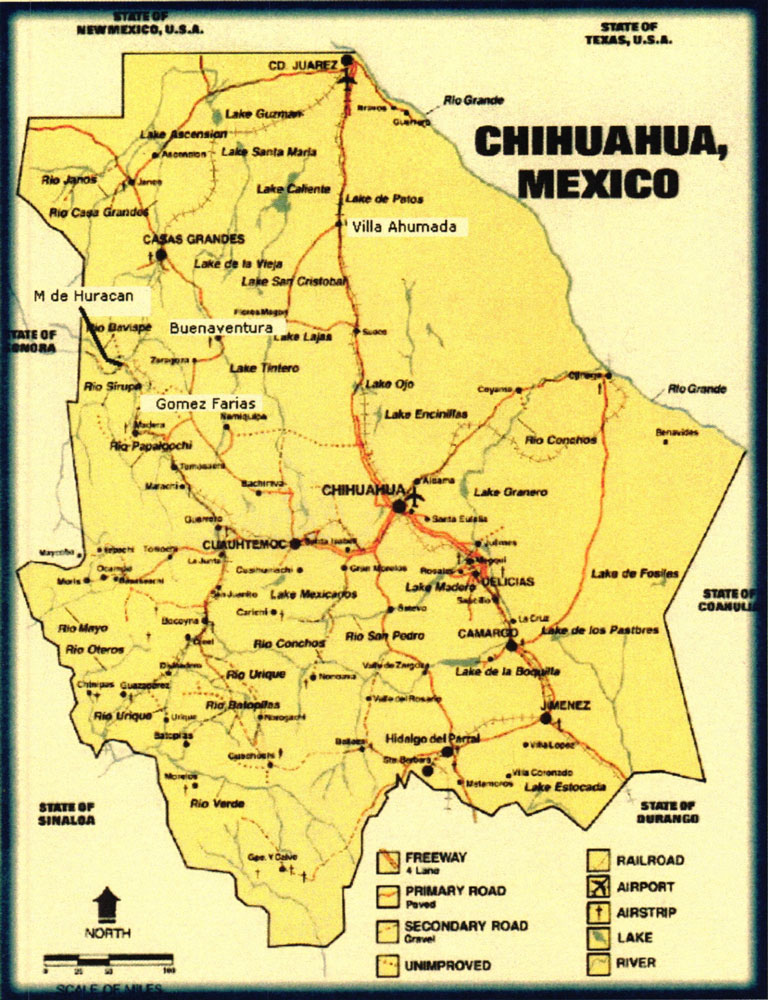
Place: Mesa del Huracán, Chihuahua, México
Dates: 6/27/04 and 7/17/05
Population: Approximately 2,000
Distance from El Paso by bus: 7 hours
Medical services: Family medical care to children, adolescents, women, men and the elderly including nursing, physical therapy, health education, speech pathology, pharmacy, and laboratory services.
Number of patients seen: Over 1,100 office visits
Patient breakdown: 385 males
715 females
770 adult and males and females
110 elderly males and females
220 children and adolescents
Number of prescriptions: 1,375
Types of illnesses: Over 200 different illnesses were treated
Minor surgical Procedures: Wart destruction, incision and drainage of abscesses and removal of skin cancers were the most common minor surgical procedures among the fifty plus performed.
Number of laboratory test: Over 200 laboratory test were performed, these include anemia screens, bleeding and colon cancer screens, blood sugar, urinalysis and infection wet mounts.
Durable Medical Equipment: 3 walkers, 3 sets of crutches, 5 braces and 12 wheelchairs
Spiritual services: Evangelistic meetings, one on one home visits, Bible studies; written materials and Bible school were the foundation of provided spiritual
Physical education: This was provided throughout the week by sports participation, such as basketball, volleyball, soccer and baseball.
Social services: Social needs were provided through all the above activities.
Food services: Over 100 children were fed breakfast and a snack after Bible School each day. Approximately 50 children are provided with a warm meal every day throughout the school year.
Construction services: These included repairs to church buildings, private homes, and public facilities such as schools.
Donations: TV /CR, refrigerator, stoves, sports equipment, and computers for public use and education purposes were donated. Durable medical equipment such as wheelchairs walkers, braces, crutches, etc.
Initial Preparations Activities
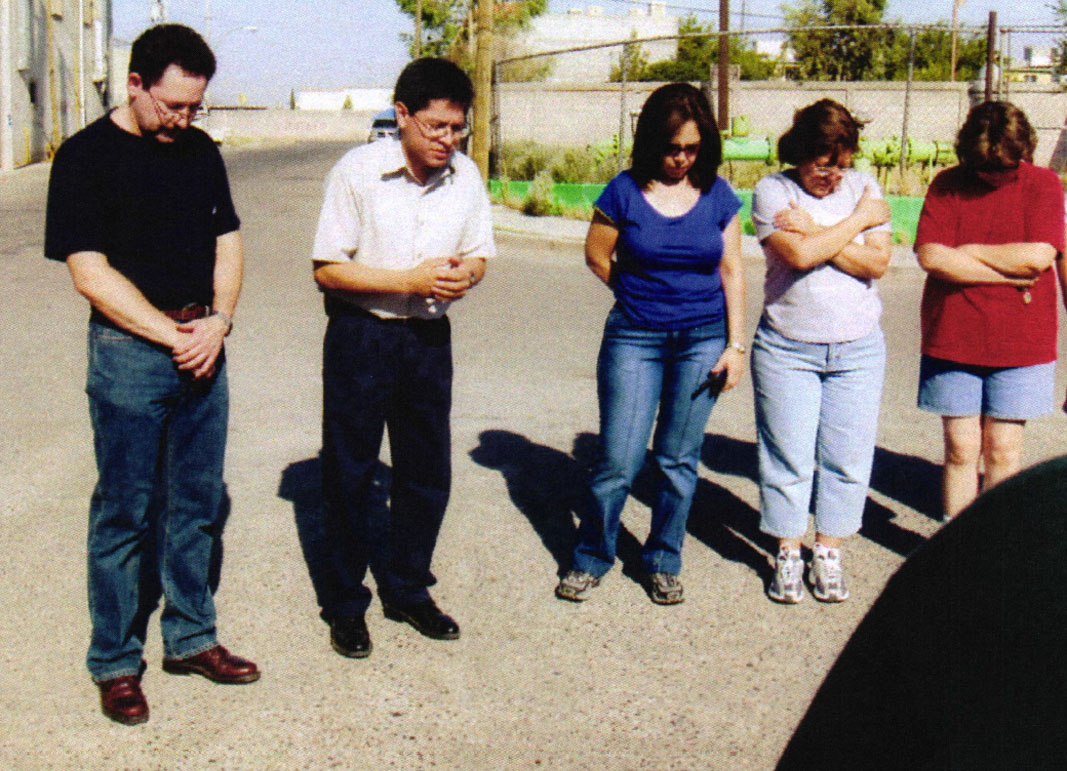
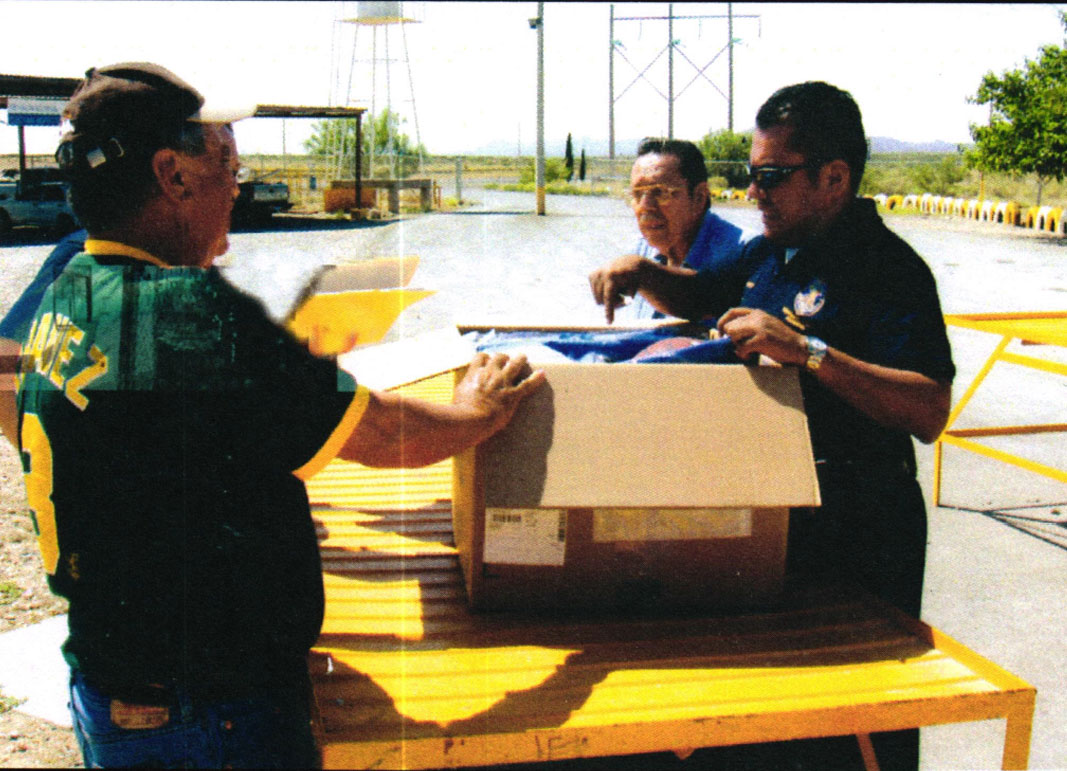
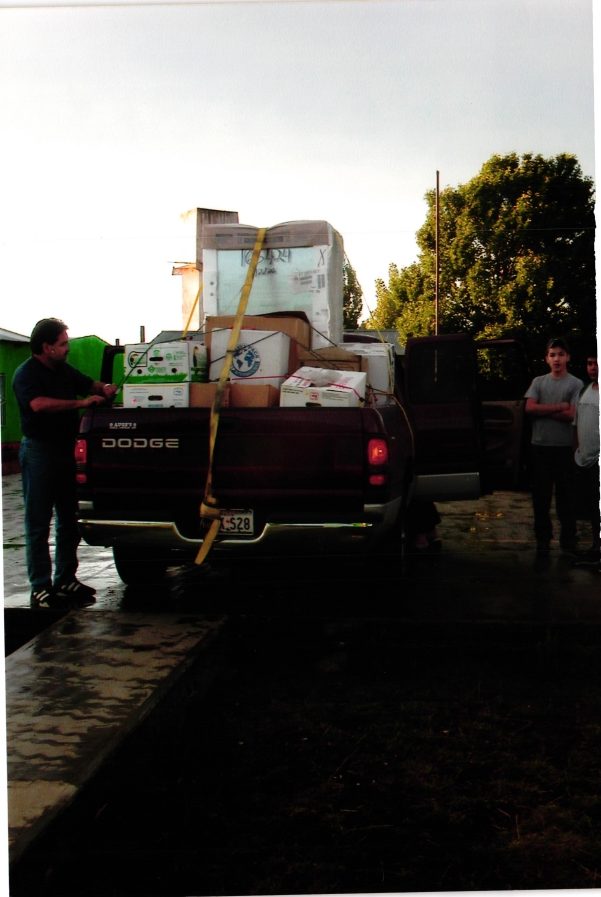
The initial preparations for the Adventist Family Clinic’s medical mission began with securing permits at the Mexican customs office, a necessary step for crossing the border legally and smoothly. Volunteers then gathered in the parking lot for a special moment of prayer, seeking God’s blessing and protection before departure. Final instructions were given to the entire team, ensuring everyone was aligned and ready. Supplies—especially vital medical and support materials—were loaded carefully and efficiently into boxes for transport. A bright yellow rental trailer was brought in to handle the large volume of materials, helping volunteers transfer everything to assigned vehicles. Supplies and equipment were then distributed across multiple vehicles for organized deployment. Once packed and organized, the volunteers boarded Bus #3 at a local park in Ciudad Juárez, Mexico, known as “El Chamizal,” destined for the outreach site in Chihuahua. Upon arrival at the border, the team underwent inspection by Mexican customs officials at the Kilómetro 28 customs checkpoint, where the contents of the boxes were examined before passage into Mexico was granted. These steps highlight the prayerful, strategic, and logistical care that went into launching this compassionate mission effort.



On The Road
The initial preparations for the Adventist Family Clinic’s medical mission began with securing permits at the Mexican customs office, a necessary step for crossing the border legally and smoothly. Volunteers then gathered in the parking lot for a special moment of prayer, seeking God’s blessing and protection before departure. Final instructions were given to the entire team, ensuring everyone was aligned and ready. Supplies—especially vital medical and support materials—were loaded carefully and efficiently into boxes for transport. A bright yellow rental trailer was brought in to handle the large volume of materials, helping volunteers transfer everything to assigned vehicles. Supplies and equipment were then distributed across multiple vehicles for organized deployment. Once packed and organized, the volunteers boarded Bus #3 at a local park in Ciudad Juárez, Mexico, known as “El Chamizal,” destined for the outreach site in Chihuahua. Upon arrival at the border, the team underwent inspection by Mexican customs officials at the Kilómetro 28 customs checkpoint, where the contents of the boxes were examined before passage into Mexico was granted. These steps highlight the prayerful, strategic, and logistical care that went into launching this compassionate mission effort.



Welcome, Final Destination
Our mission brought us to the heart of Chihuahua, Mexico, where two towns—El Largo Maderal and Mesa del Huracán—welcomed us with open arms. El Largo Maderal, a community of around 7,000 people, and Mesa del Huracán, a smaller town of about 2,000, were both recipients of medical services provided by the Adventist Family Clinic.
In Mesa del Huracán, the contrast between the warm spirit of the people and the visible challenges of poverty was striking. Modest homes lined unpaved streets, and yet hope was evident in every encounter. A central town hall, humble yet vital, became the hub for evangelistic meetings, graduation ceremonies, and the distribution of wheelchairs, transforming it into a place of healing and celebration.
Medical services were provided in the local elementary school, Adolfo Lopez Mateos, where classrooms became temporary clinics. The colorful murals painted on the walls stood as silent testimonies of the town’s resilience and identity. A different view of the school facility revealed the humble yet functional spaces that allowed care and compassion to be shared freely.
These final destinations on our journey were not just places on a map—they were communities where lives were touched, hope was renewed, and the mission found its purpose.


Volunteers
At the heart of every mission are the dedicated volunteers who make it all possible. This diverse team—comprising physicians, nurses, mid-level providers, medical assistants, health educators, Bible teachers, construction workers, culinary team, administrators, administrative assistants, pastors, and receptionists—came together with a shared purpose: to serve others with compassion and excellence. Whether gathered for a group photo or hard at work, each volunteer brought their unique skills and joyful spirit to the effort.
From the moment they arrived, the volunteers wasted no time. Medical supplies, donated equipment, and a refrigerator were quickly unloaded and organized. Working in harmony, they distributed “medical mission packs” containing essential medications earmarked for families in need. Alongside these efforts, Christian literature was sorted and prepared for spiritual encouragement and outreach.
The local school received the donated refrigerator, ensuring the safe storage of food for the children’s breakfast throughout the year. In addition, a monthly check was sent to the school to help cover the cost of their subsidized government breakfast program for 1 year. Volunteers also assisted with practical logistics, such as returning borrowed truck ramps and setting up spaces for the week’s activities. With smiles and sleeves rolled up, they unpacked educational tools and medicines—ready to transform classrooms into clinics.
This spirit of service, teamwork, and faith-filled purpose radiated through every task. Each hand that lifted a box or offered care played a vital role in bringing hope and healing to the communities they served.




Sleeping Quarters
As the mission team settled into their assignment, sleeping arrangements were organized with flexibility and creativity. Volunteers gathered for the assignment of sleeping quarters, receiving instructions and support from team leaders as they prepared for the week ahead.
Lodging varied depending on availability and need. Some volunteers were housed in a private home, offering a modest yet welcoming shelter. Others camped out in tents pitched behind the local church, embracing nature and simplicity under the open skies. A school warehouse was also adapted into temporary sleeping space, highlighting the team’s willingness to adapt and make the most of every resource.
Whether resting on a mat indoors or in a tent under the stars, these humble quarters served as a reminder that comfort took second place to the greater calling of service. Each volunteer laid down to sleep knowing their presence was making a meaningful impact in the lives of those they came to serve.


Time to Work
With hearts ready and hands prepared, the mission team transitioned into the core purpose of their journey—serving patients with compassionate medical care. From the moment the clinic opened, volunteers were hard at work attending to a wide range of needs with energy, grace, and precision.
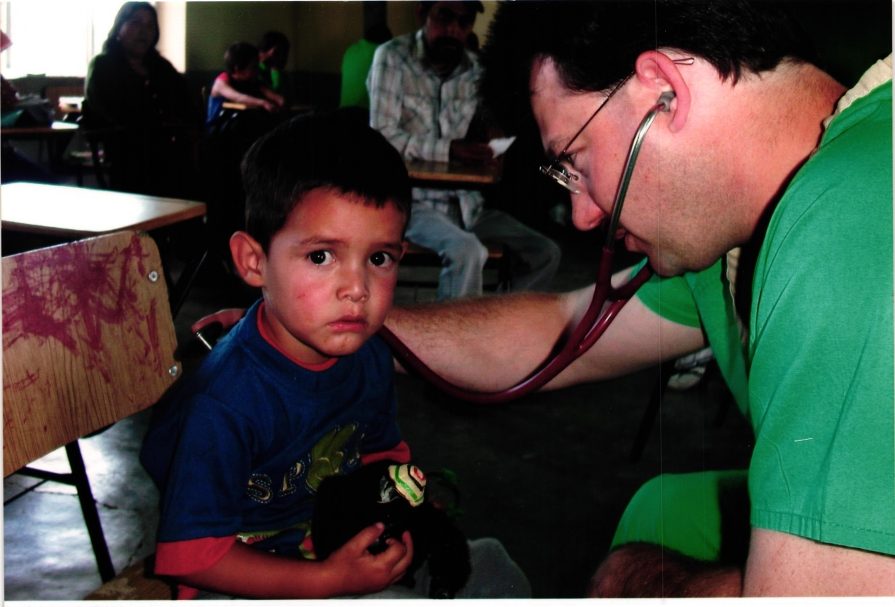
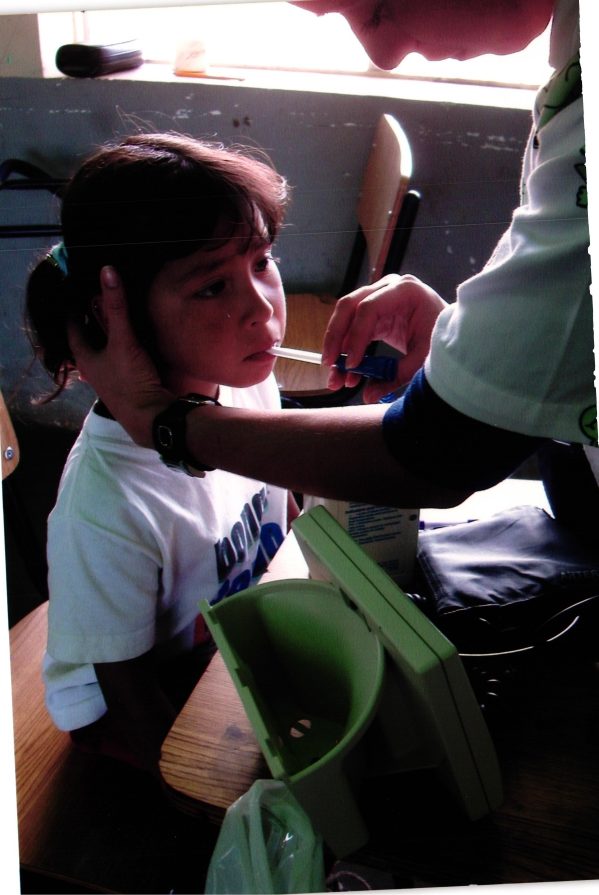
Registration stations welcomed patients with warmth and organization, ensuring everyone was seen. Medical personnel offered triage evaluations, consultations, and checkups, while volunteers worked side by side with local interpreters to bridge language gaps and foster clear communication. Each patient was treated with respect, regardless of age, background, or condition.
The care extended far beyond the exam room. Physicians provided dermatological evaluations, wound care, eye and ear cleanings, and health education. Children were lovingly attended to, and many patients received much-needed medications and nutritional advice. Volunteers fitted individuals for reading glasses, addressed infected wounds, and offered relief for untreated illnesses.
A vital part of the outreach included dental services, with extractions and cleanings provided in improvised treatment areas. Health educators spoke one-on-one with patients to share information about hygiene, diet, and disease prevention.
Every moment captured in these pages reflects a tireless commitment to love in action. The team didn’t just deliver medical care—they restored dignity, offered comfort, and brought healing to a community deeply in need.




House Calls
In some of the most urgent and delicate cases, care was delivered directly to patients’ homes. Medical providers conducted house calls to assess and treat individuals unable to travel, bringing both skill and compassion into the most personal of settings.
One patient, battling a chronic hip infection following surgery, received a careful evaluation while surrounded by family. A nurse monitored his vital signs, and further inspection revealed a fistula with a continuous infection, underscoring the severity of his condition. Another patient, recently discharged from the hospital and still suffering from fever, was also evaluated and supported through follow-up care at home.
Beyond clinical care, volunteers extended their efforts into advocacy. Arrangements were made with local government officials to coordinate emergency hospitalization for a critically ill patient. Meanwhile, a young woman with cerebral palsy was visited in her residence by both a physician and a physical therapist, who assessed her environment and needs with tenderness and professionalism.
These moments of bedside care reflect the heart of the mission—reaching people where they are, with dignity, devotion, and an unwavering commitment to their well-being.


Relationships
Beyond the physical care and medical support, this mission was deeply rooted in something even more lasting—human connection. Volunteers brought more than supplies and services; they brought friendship, encouragement, and love.
Volunteer teachers offered social support through genuine companionship, embracing patients and community members with smiles and open arms. In moments of loneliness, especially among the elderly, simple gestures—like a comforting hug or a kind word—became deeply meaningful.
These interactions often blossomed into lifelong relationships, where bonds were formed through shared stories, prayers, and laughter. The warmth of these connections was a healing force all its own—reminding each person that they were seen, valued, and never alone.


Feeding the Children
One of the most joyful and impactful parts of the mission was ensuring that children received something many of them lacked—a nutritious, lovingly prepared meal. Across several days, volunteers came together to cook, serve, and nourish the little ones of the community with care and compassion.
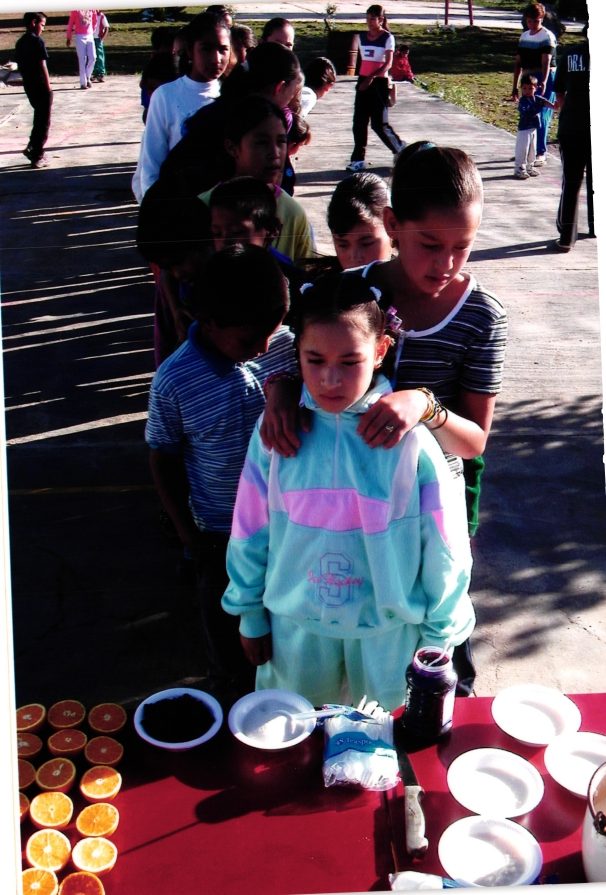
Local women and volunteer teams prepared simple yet hearty dishes, including beans, tortillas, rice, and juice. From early morning prep work to long lunch lines, everyone worked in unison to feed as many children as possible. Some of the kids arrived barefoot, others came shy and hungry—but all were welcomed with open arms and full plates.
The photos capture moments of shared laughter, warm meals, and grateful smiles. Children ate seated at tables, in classrooms, on curbs, or under trees—wherever they could find a spot. For many, it was not just food but a rare moment of security and kindness. Some carried younger siblings, others saved portions for family at home.
Beyond filling empty stomachs, this outreach reminded every child they were seen, loved, and valued. Whether it was a warm bowl of food or a gentle hug, these small acts of kindness left a lasting imprint on young hearts. Through service and simplicity, love was shared in the most beautiful and nourishing way.




Bible School
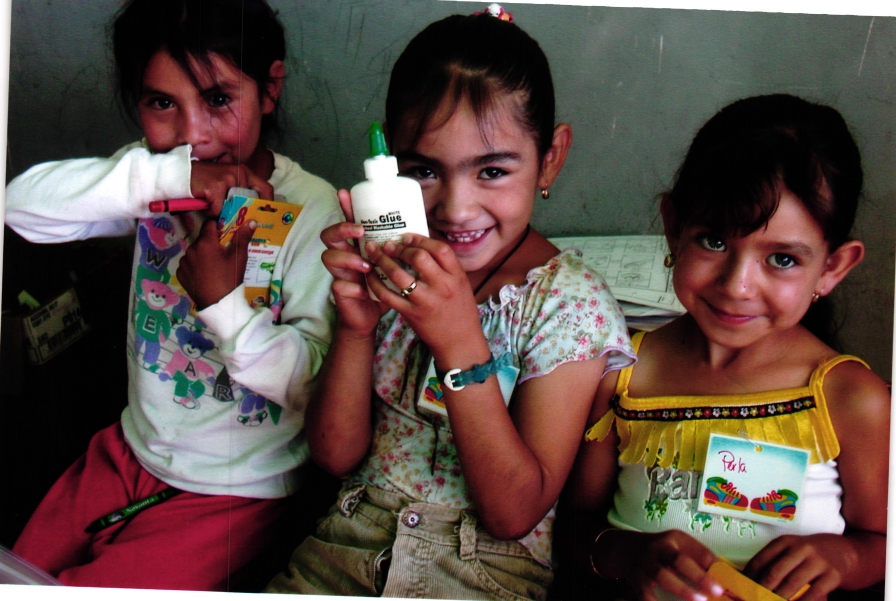
Each day of the mission brought the joyful sounds of children singing, learning, and discovering God’s love through a vibrant and welcoming Bible school program. Dozens of young participants gathered for Vacation Bible School, where faith and fun came together through lessons, music, crafts, and play.
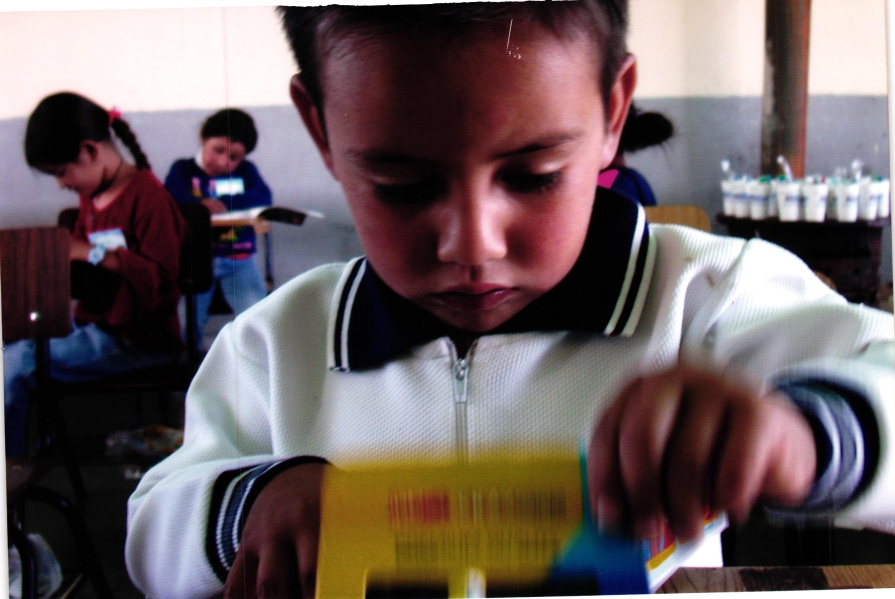
Classes were held both outdoors and inside the school building. Children sang songs with excitement, listened to Bible stories, and participated in group games that taught Christian values in ways they could understand and enjoy. Volunteers led every activity with care and energy, encouraging each child to feel included and valued.
Art and creativity filled the rooms as children received their own set of personalized school materials, including crayons, coloring books, scissors, and markers. Many proudly displayed their crafts—colorful reminders of lessons learned and memories made. From coloring pages to paper animals, each creation became part of the journey in faith.
Older kids helped the younger ones, while volunteers offered one-on-one guidance and heartfelt encouragement. The program created a safe space where children could express themselves, grow spiritually, and build friendships that extended beyond the classroom.
Bible School was not only a time of learning, but a meaningful celebration of community and love. Through every song sung and every verse shared, these young hearts were inspired and uplifted, planting seeds of faith that will continue to grow for years to come.






Oral Hygiene Education
Teaching good health practices was an important part of the mission, and oral hygiene played a key role in that effort. Children received hands-on guidance on how to care for their teeth, learning simple and practical steps that could make a lasting difference in their overall well-being.
Through fun and interactive demonstrations, volunteers showed the children how to properly brush their teeth and explained why daily dental care matters. Each child received a toothbrush and toothpaste, and many practiced right on the spot, smiling proudly as they learned something new.
This small but vital lesson empowered children with knowledge they could take home and use every day. More than just a hygiene tutorial, it was a step toward building lifelong health habits—one brush at a time.


Community Service
Service extended beyond medical care and education—it also included giving back through hands-on efforts to improve the community. Volunteers and local youth worked together side by side, engaging in projects that brought both restoration and pride to shared public spaces.
Children were taught the value of helping others through practical involvement. Cleanup efforts included collecting trash, pulling weeds, and clearing areas that had long been neglected. With guidance and teamwork, even the youngest volunteers played an important role in making a visible difference.
Painting and repair projects transformed the look and feel of the neighborhood. Concrete play areas were scrubbed, repainted, and lined for games, bringing vibrant color and renewed function to the space. Volunteers painted sports courts, mended cracks, and even helped repair equipment and fixtures.
What began as simple tasks turned into powerful lessons. Through community service, participants discovered the joy of working for the good of others. Each brushstroke, each trash bag, and each repaired corner reflected a spirit of unity and care that uplifted the whole community.


Health Education
Promoting lasting wellness in the community began with education. Throughout the mission, health education classes were held for both children and adults, offering essential information in ways that were accessible and engaging.
Participants gathered in outdoor and indoor settings to learn about practical topics such as hygiene, nutrition, disease prevention, and personal care. These interactive sessions empowered individuals with knowledge they could apply immediately in their daily lives.
A designated health education station was set up, featuring videos, printed materials, posters, and learning tools. Volunteers also distributed health literature tailored to the needs of the community, ensuring that families left with resources to continue learning long after the mission team departed.
This outreach helped plant seeds of awareness, encouraging healthier choices and habits that could improve lives far into the future. Through clear instruction and thoughtful materials, health education became a vital part of the mission’s long-term impact.


Culinary Service
Behind every meal served during the mission was a dedicated team of cooks who worked tirelessly to nourish both body and spirit. The culinary service team played a vital role in the mission’s success, preparing food not only for the patients but also for the volunteers who gave so much of themselves each day.
With warmth and generosity, meals were cooked from scratch in humble kitchens filled with laughter, prayer, and teamwork. Tables were lined with ingredients, pots steamed on stoves, and the aroma of fresh meals filled the air as volunteers chopped, stirred, and served with joy.
From breakfast to dinner, the dining area became a place of rest and fellowship. Community members and mission guests alike gathered around tables to share not just food, but stories and gratitude. Some had walked for hours just to receive medical care, and a hot meal offered them comfort and strength.
The culinary team served with pride and a sense of purpose. Whether it was plating up rice and beans, preparing sandwiches, or simply pouring a cup of juice, every task was done with love. Their kindness turned meals into moments of connection, and their service left a lasting impact far beyond the kitchen walls.


Construction
Throughout the mission, construction efforts stood as a powerful symbol of renewal—transforming worn, unsafe spaces into strong and welcoming structures. At the center of this effort was the rebuilding of a small Seventh-day Adventist church that had fallen into disrepair, as well as additional improvements to surrounding facilities.
Volunteers began by assessing the damage: broken walls, rotting wood, missing flooring, and a roof in need of total replacement. Carefully and with determination, teams removed old materials, reinforced the framework, poured new concrete, and repaired plumbing and electrical systems.
Every stage of the process reflected teamwork and purpose. Floors were tiled, walls were painted, bathrooms were installed, and furniture was restored. New doors and windows brought light into once-dark spaces. Outside, the grounds were cleaned and prepped, improving both safety and appearance.
What had once been a crumbling building gradually became a place of beauty and function. A new pulpit was built, classrooms were repaired, and worship spaces were refreshed. The newly renovated church stood not only as a physical structure, but as a place of worship, community, and hope.
The joy was unmistakable during the first Sabbath service held in the restored building. Smiles, songs, and gratitude filled the room. Through these construction efforts, the mission team helped create more than walls—they helped build a future.


Excursion
Midway through the mission, the team took a brief break from their daily routines to enjoy a simple outdoor excursion. Surrounded by nature, volunteers gathered at a quiet spot near the water, where they could relax, reflect, and reconnect with one another.
The outing provided a refreshing pause—time to breathe deeply, enjoy God’s creation, and build friendships outside the work setting. For many, it was a moment of peace and joy, strengthening bonds that would carry through the remainder of the mission.


Donations
One of the most impactful aspects of the mission was the generous outpouring of donations, delivered directly into the hands of those who needed them most. From medical equipment to everyday essentials, each item represented the kindness and compassion of people who cared.
The mission team worked closely with local officials and organizations to receive, store, and distribute donations. Among the most transformative gifts were wheelchairs, walkers, and canes, which were carefully adjusted and fitted for recipients. These mobility aids opened up new possibilities for individuals who had long been confined or dependent on others.
Clothing, shoes, and hygiene products were shared with families, helping restore dignity and meet basic needs. Dedicated volunteers organized and personalized each donation, ensuring that every item was given thoughtfully and respectfully.
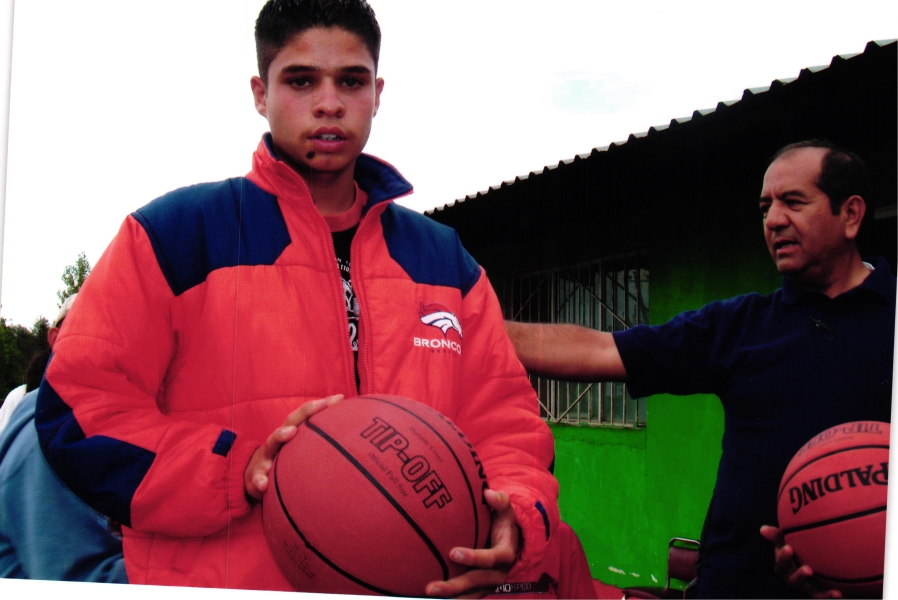
Children were filled with joy as they received toys, stuffed animals, and sports equipment—basketballs, soccer balls, and jump ropes that brought energy and smiles to quiet corners of the community. For many, these gifts were the first of their kind.
Volunteers also assembled care kits filled with items for babies, mothers, and elderly individuals. These bundles, though simple, were expressions of love and humanity. Through every donation, hope was renewed, burdens were lifted, and lives were touched in tangible, lasting ways.
To further support the school, the Adventist Family Clinic also left behind much-needed items, including a refrigerator, a TV, and kitchen equipment, ensuring these resources would continue to benefit students in the future. To further support the school, AFC also left behind much-needed items, including a refrigerator, a TV, and kitchen equipment, ensuring these resources would continue to benefit students in the future.




Graduation from Bible School
The conclusion of Bible School was marked with excitement and celebration as children, parents, and teachers gathered to honor the growth and accomplishments of the students. After a week filled with songs, stories, crafts, and lessons, it was time to recognize the children’s dedication and learning with a special graduation ceremony.
Teachers prepared festive treats, like cupcakes, to help make the day memorable. More than 100 children participated in the Bible School program, and each one had a part in the graduation—whether through music, a smile, or proudly walking across the stage to receive their diploma.
Parents beamed with pride as they watched their children don red graduation caps, sit in neat rows, and participate in the program. The sense of community was powerful, with families and volunteers united in joy and thanksgiving for what had been accomplished.
Graduation was also a time to reward the children’s effort. Many received small gifts they had earned during the week by participating, memorizing Bible verses, or helping others. These prizes, from toys to school supplies, were treasured not just for their value, but for what they represented.
With diplomas in hand and hearts full of joy, the children stepped forward with smiles that said more than words ever could. Bible School had left its mark—not just in knowledge, but in the lives it touched with love, purpose, and faith.


Attending to Spiritual Needs
In addition to medical care, education, and physical support, the mission team also focused on meeting the spiritual needs of the community. A dedicated spiritual station was established where volunteers engaged with patients through prayer, conversation, and the sharing of biblical truth.
Evangelistic meetings were held each evening, open to all who wished to learn more about Jesus Christ. These gatherings became a source of comfort, inspiration, and reflection. People of all ages attended, listening attentively to messages of hope and salvation.
Throughout the week, spiritual literature was distributed freely—books and pamphlets that introduced individuals to the gospel and helped deepen their understanding of God’s love. Even the youngest participants were eager to listen and take part in these faith-centered moments.
By addressing the heart as well as the body, the mission brought healing that extended beyond the physical. Through simple but powerful efforts, lives were touched in ways that will continue to resonate long after the mission was over.


Baptisms
The mission’s spiritual impact reached a profound and joyful milestone with a special baptismal service held at Lake Madera in Chihuahua, Mexico. After days filled with ministry, health care, and Bible teaching, hearts were moved to take the next step in their journey of faith.
Volunteers and candidates traveled together by bus and car to the lake. Before the ceremony began, the team ensured all safety measures were in place—reflecting both care and preparation for this sacred moment. The peaceful waters and surrounding hills provided a beautiful and natural setting for the occasion.
One by one, individuals stepped forward to publicly declare their faith in Jesus Christ. With prayer, encouragement, and spiritual support, they were gently immersed in the water—a powerful symbol of renewal, commitment, and new life.
Witnessing these baptisms was a deeply moving experience for all present. Each person who entered the lake came out with a radiant smile, embraced by a new sense of hope and belonging. For the mission team, it was a reminder that their work had eternal significance, touching hearts not just for a moment, but for eternity.


Last Supper
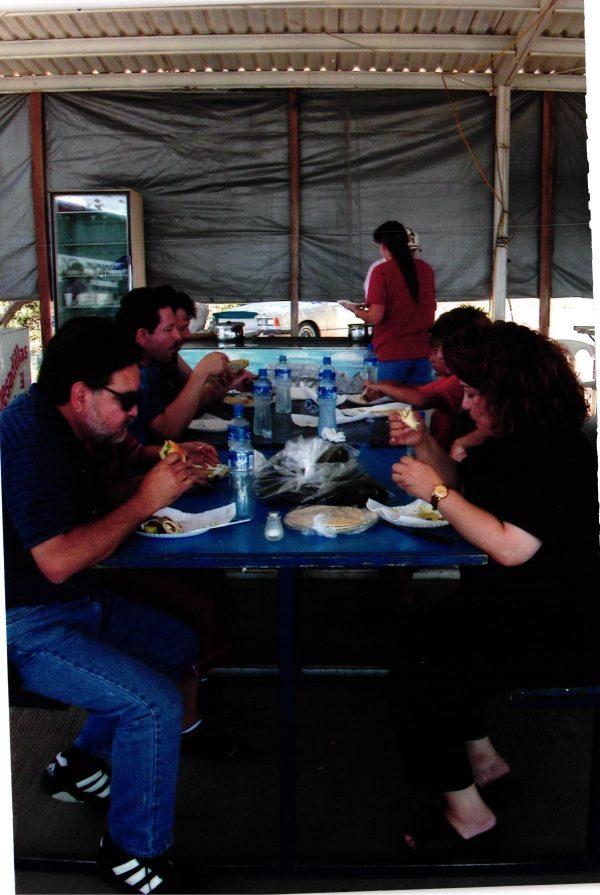
As the mission came to a close, the team gathered for one final meal together—an opportunity to reflect, celebrate, and give thanks. Whether it was at Rancho La Manga in 2004 or a local restaurant in Madera in 2005, the last supper was filled with warm conversation, laughter, and a deep sense of unity.
These final meals were more than just a chance to eat—they were moments of connection. Stories from the week were shared, friendships were strengthened, and gratitude filled the table as everyone looked back on the lives touched and the work accomplished.


Back Home
Before returning home, the team made one last joyful stop at a local ice cream parlor, a sweet ending to a week of service. Volunteers smiled, relaxed, and enjoyed simple pleasures together after days of hard work and long hours.
The journey home was filled with reflection and fellowship. As the bus rolled down the road, conversations continued and new memories uwere made. The ride back was not just a return to routine—it was the quiet beginning of carrying the mission’s impact forward into everyday life.
Though the trip ended, the mission lived on in the hearts of each person who gave, served, and loved along the way.


